What Romantic Serif Font Pairings Work Best for Wedding and Valentine Themes?
You need fonts that whisper elegance without shouting for attention. Romantic serif font pairings for wedding valentine themes rely on contrast between a refined display serif and a complementary secondary typeface. The right combination sets emotional tone before a single word is actually read.
A strong serif pairing communicates tradition, tenderness, and intentionality. Think of fonts like Playfair Display paired with Lora, or Cormorant Garamond alongside Montserrat Light. These choices balance ornamental beauty with legibility a non-negotiable for printed invitations, digital cards, and signage.
Why Does Serif Typography Feel Romantic in the First Place?
Serif typefaces carry centuries of association with printed books, handwritten letters, and formal correspondence. Their tapered strokes and delicate terminals evoke a sense of human craftsmanship. In the context of love-themed design, this historical weight translates directly into emotional resonance.
Wedding and Valentine's projects benefit from serifs because they bridge formality and warmth. A sans-serif font can feel corporate. A script font can become illegible at small sizes. Serifs occupy the middle ground dignified yet personal, structured yet soft.
How Do I Choose Pairings Based on My Specific Project?
Consider the Physical Medium
Printed invitations on textured cotton stock handle thick, high-contrast serifs beautifully. Digital screens, however, favor serifs with moderate contrast and open counters fonts like Source Serif Pro render cleanly at various resolutions. Match your typeface weight and detail level to the surface it will live on.
Match the Format and Layout
Small-format pieces like escort cards or favor tags demand condensed, lightweight serifs. Large-format items like welcome signs or ceremony backdrops can embrace dramatic, wide serifs with generous swashes. Scale determines how much typographic ornament your design can support without visual clutter.
Assess Your Design Skill Level
Beginners should stick to proven two-font systems: one display serif for headings, one clean serif or sans-serif for body text. More experienced designers can layer a third accent perhaps a delicate script for monograms or ampersands but restraint matters more than complexity in romantic design work.
Define the Event's Emotional Tone
A formal black-tie wedding calls for high-contrast serifs like Bodoni Moda or Didot. A relaxed garden ceremony suits softer, transitional serifs like Gentium Plus. Valentine's cards aimed at playful romance benefit from rounded serifs such as Crimson Text. Tone drives every typographic decision.
What Technical Details Should I Get Right?
- Line spacing: Set body text at 1.4–1.6 line height for comfortable reading in love-themed layouts where whitespace reinforces elegance.
- Font weight contrast: Pair a bold or semibold display serif with a regular-weight secondary font. Avoid pairing two fonts at identical weights.
- Tracking adjustments: Loosen letter-spacing slightly on uppercase serif headings a tracked-out all-caps serif reads as refined rather than cramped.
- Color application: Deep burgundy, dusty rose, or muted gold on ivory backgrounds amplify the romantic serif aesthetic without relying on ornament.
What Common Mistakes Undermine the Elegant Look?
Using too many decorative fonts in a single layout creates visual noise instead of harmony. Limit yourself to two or three typefaces maximum. Another frequent error is pairing two serifs that are too similar in structure this reads as a mistake rather than a deliberate choice.
Avoid setting long paragraphs in ornate display serifs. Those fonts are designed for headlines and short phrases. For body copy, switch to a text-optimized serif with generous x-height. You can fix these issues at home by testing your layout at actual print size and squinting if hierarchy disappears, your pairing needs adjustment.
Your Romantic Serif Pairing Checklist
- Define the emotional tone of your event or project before browsing fonts.
- Choose one display serif for headings prioritize personality and impact.
- Select a complementary secondary typeface that prioritizes readability.
- Test both fonts together at the exact size your project requires.
- Verify contrast through weight, scale, or style not just typeface family.
- Print a physical proof or view on the target screen before finalizing.
- Apply a restrained color palette that enhances rather than competes with the typography.
Elegant serif love typography is less about finding the single perfect font and more about building a relationship between two typefaces that respect each other's strengths. Start with your project's emotional intent, and let every technical decision follow from that foundation. Try It Free
 Best Serif Font Pairings for Valentine Typography and Elegant Love Designs
 Elegant Serif Love Fonts for Valentine's Day Invitations
 Serif Font Pairing Guide for Romantic Valentine Typography Layouts
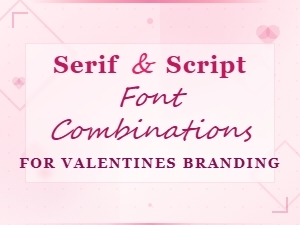 Elegant Serif and Script Font Pairings for Valentine's Day Branding
 Elegant Serif Font Pairings for Luxury Valentine's Day Cards
 Best Romantic Script Font Pairings for Valentine Cards You'll Love